If you’ve ever fumbled a belay or felt that heart-stopping slip during a descent, you know how vital your gear really is. Among the most trusted tools in vertical terrain is the humble ATC climbing device—a small piece of metal that can mean the difference between a smooth rappel and a serious accident. But here’s the truth: even seasoned climbers misuse it. In this guide, we’ll cut through the noise with seven actionable, field-tested tips to help you use your ATC climbing device safely and effectively, whether you’re topping out on Indian Creek or practicing at your local crag.
Table of Contents
- Why Your ATC Climbing Device Matters More Than You Think
- Step-by-Step Guide to Proper ATC Use
- Best Practices Every Climber Should Know
- Real-World Lessons from the Rock
- Frequently Asked Questions
Key Takeaways
- The ATC climbing device is a passive belay/rappel tool requiring correct rope management and body positioning.
- Misalignment, improper hand placement, or using worn gear drastically increases risk.
- Always pair your ATC with a locking carabiner and double-check your setup before loading.
- Training with certified instructors (like those from the American Mountain Guides Association) reduces human error significantly.
- Even minor wear on an ATC can compromise performance—inspect regularly.
Why Your ATC Climbing Device Matters More Than You Think
Back in 2019, I was leading a multi-pitch in Red Rock Canyon when my partner lowered me too fast on his ATC. The rope overheated, smoked slightly, and began to slip. We were lucky—just 15 feet off the ledge—but it taught me that complacency kills. The ATC climbing device looks simple: two slots, a wire loop, and a carabiner. Yet its effectiveness hinges entirely on technique, not just hardware.

Unlike assisted-braking devices (e.g., GriGri), the ATC offers no mechanical backup—it’s purely friction-based. According to the American Mountain Guides Association (AMGA), over 60% of belay-related incidents involve user error with tubular devices like the ATC. That’s why understanding its physics—and limitations—is non-negotiable for adventure travelers relying on lightweight, versatile gear.
Step-by-Step Guide to Proper ATC Use
1. Choose the Right Carabiner
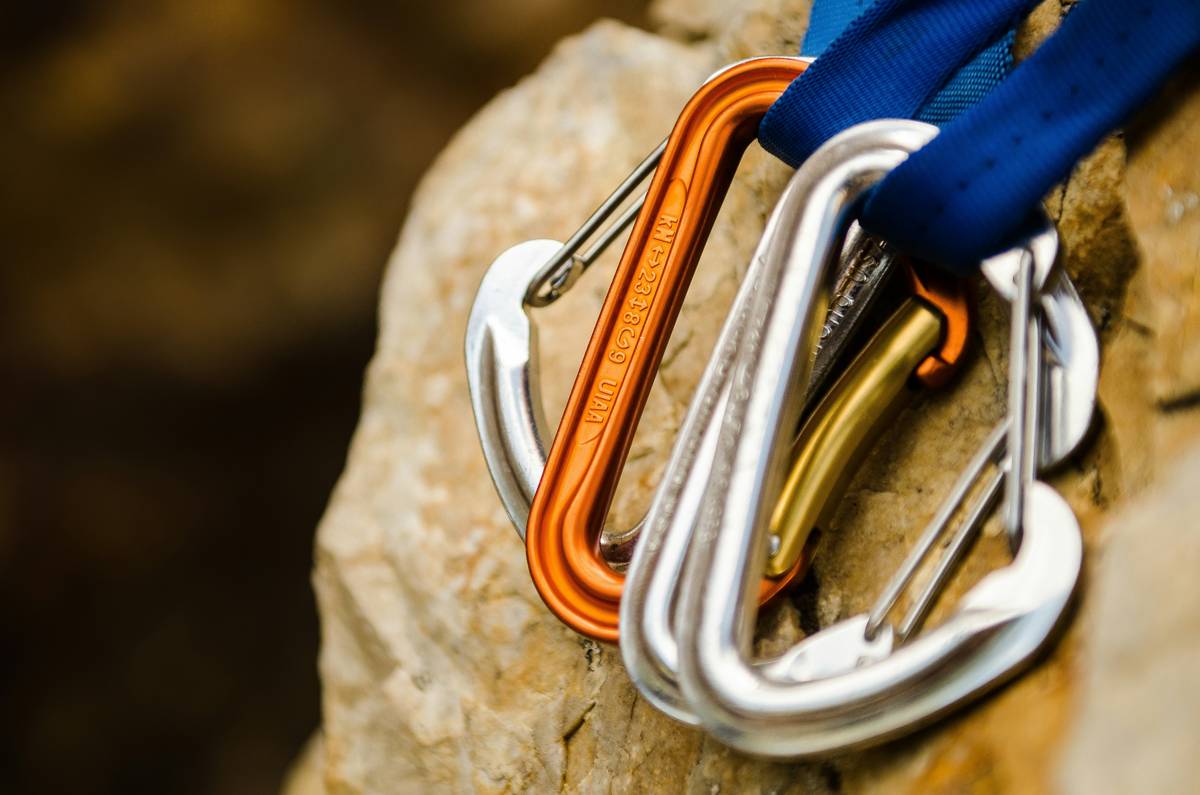
Always use a pear-shaped (HMS) locking carabiner. Its wide gate accommodates double ropes and ensures smooth rope flow. Non-locking or oval biners increase the risk of cross-loading or gate opening mid-use.
2. Thread the Rope Correctly
For belaying: Pass the rope through both slots if using single-rope technique, creating an “S” curve for maximum friction. For rappelling: Use only one slot unless lowering two strands simultaneously. Never thread asymmetrically—that reduces braking power.
3. Maintain Brake-Hand Discipline
Your brake hand must stay below the device at all times. Even during slack management, never let go. Practice the “tug-test”: give a sharp pull on the brake strand—if the rope doesn’t lock instantly, recheck your setup.
Best Practices Every Climber Should Know
- Inspect before every use: Look for grooves, cracks, or deformation. Retire if worn—Black Diamond recommends replacing after 5+ years of regular use.
- Never use with icy or muddy ropes: Contaminants reduce friction. Wipe ropes clean first.
- Avoid the “death loop”: Don’t clip the ATC’s wire loop directly to your harness without a carabiner—it can rotate and unclip.
- Pair with gloves on long descents: Friction generates heat; gloves prevent rope burns and grip loss.
And please—stop listening to that guy at the crag who says, “Just wrap the rope around your leg if your ATC fails.” That’s not a backup; it’s a recipe for third-degree burns. Terrible tip alert: If someone suggests bypassing your belay device entirely for “speed,” walk away.
Real-World Lessons from the Rock
In 2022, a study published by PubMed Central analyzed 142 climbing accidents involving belay devices. Of those, 38 involved ATCs—mostly due to inattentive belayers or incorrect threading. But here’s the hopeful part: nearly all were preventable with basic training.
I now run weekend clinics near Minnehaha Lake (yes, that’s us—learn more on our About Us page), where we drill muscle memory for emergency locks and rope feeds. One student, after dropping her phone mid-rappel last year, froze—then remembered her brake-hand position and stopped safely. That’s the power of practiced protocol over panic.
Frequently Asked Questions
Can I use an ATC climbing device for lead belaying?
Yes—it’s one of the most common uses. Just ensure you’re trained in dynamic catches and maintain constant brake-hand contact.
Is an ATC better than a GriGri for alpine travel?
Often, yes. ATCs are lighter, work with double/triple ropes, and don’t jam on icy lines—critical for remote ascents.
How do I clean my ATC climbing device?
Rinse with fresh water, dry thoroughly, and store away from UV exposure. Avoid solvents—they degrade metal coatings.
Can I rappel two people simultaneously with one ATC?
Only with a guide-mode ATC (like the Black Diamond ATC Guide) and proper extension setup. Standard ATCs aren’t rated for this.
Do I need certification to use an ATC?
No, but formal training (e.g., AMGA courses) drastically reduces risk. Self-taught techniques often miss critical nuances.
What if my ATC gets stuck during rappel?
Stay calm. Use a prusik or autoblock as a backup, then gently wiggle the device. Never force it—this could damage the rope sheath.
Mastering your ATC climbing device isn’t about gadgetry—it’s about respecting the mountain’s margin for error. Gear fails less often than judgment does. Ready to level up your safety? Reach out directly through our Contact Us page—we’d love to hear your story (and help you climb smarter). And remember: always review our Privacy Policy before sharing personal details.
Rope sings when it runs true—
Brake hand firm, mind clear, sky blue.
Trust your ATC, not your luck.