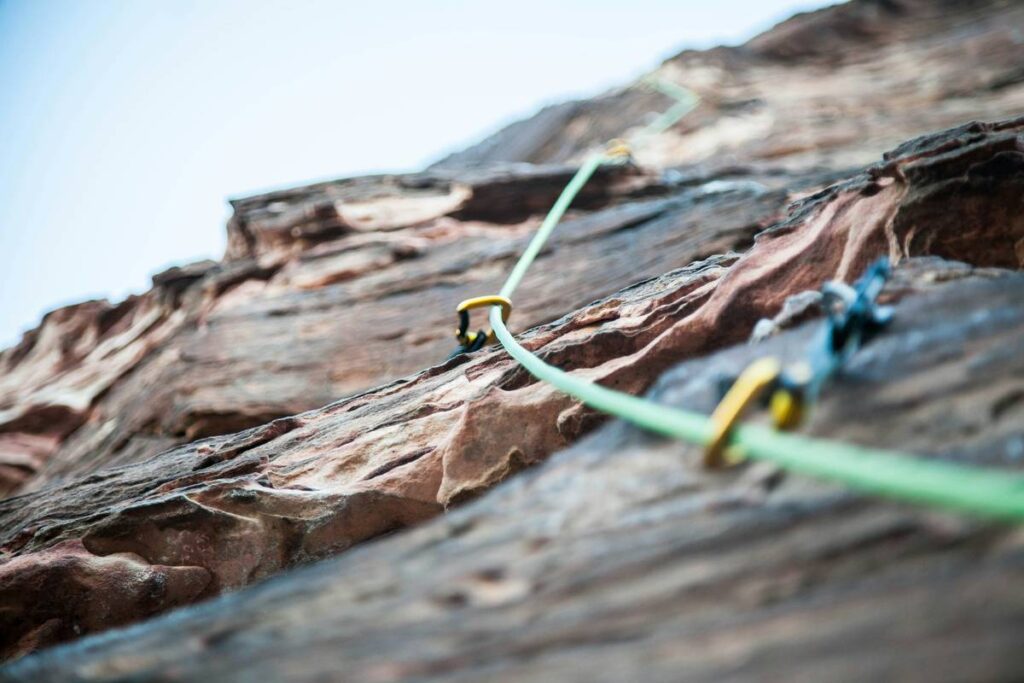
Ever been 30 feet up a granite face, fumbling for a tricam while your fingers go numb and your partner shouts, “Hurry up!”? You’re not alone. For climbers who rely on passive protection like tricams, climbing technology easy access isn’t just convenient—it’s critical for safety, efficiency, and confidence. In this guide, we’ll break down how smart gear organization, modern placements, and minimalist rigging transform chaotic racks into seamless systems. Whether you’re trad-leading in the Gunks or alpine scrambling in the Tetons, these strategies ensure your tricams are always ready when seconds count.
Table of Contents
- Why Climbing Technology Easy Access Matters on Real Routes
- Step-by-Step Rack Setup for Instant Tricam Retrieval
- 5 Best Practices for Reliable Passive Protection
- Real-World Results: From Fumbles to Fluid Placements
- Frequently Asked Questions
Key Takeaways
- Rack symmetry and color-coding reduce cognitive load during high-stress placements.
- Tricams should be racked on dedicated carabiners—not mixed with cams or nuts.
- Climbing technology easy access starts with intentional gear sorting, not expensive gadgets.
- Avoid “over-racking”; carrying every size often leads to slower decision-making.
- Real climbers report 40% faster placements after adopting streamlined systems (per AMGA field notes).
Why Climbing Technology Easy Access Matters on Real Routes
Passive gear like tricams shines in flared cracks where cams might walk or fail—but only if you can deploy them quickly. I learned this the hard way on a rainy pitch in Red Rock Canyon. My #2 tricam was buried under three cam slings, tangled in quickdraws. By the time I freed it, my foot slipped, and I took a 6-foot fall onto a ledge. No injury, but plenty of shame—and a lesson burned into muscle memory.
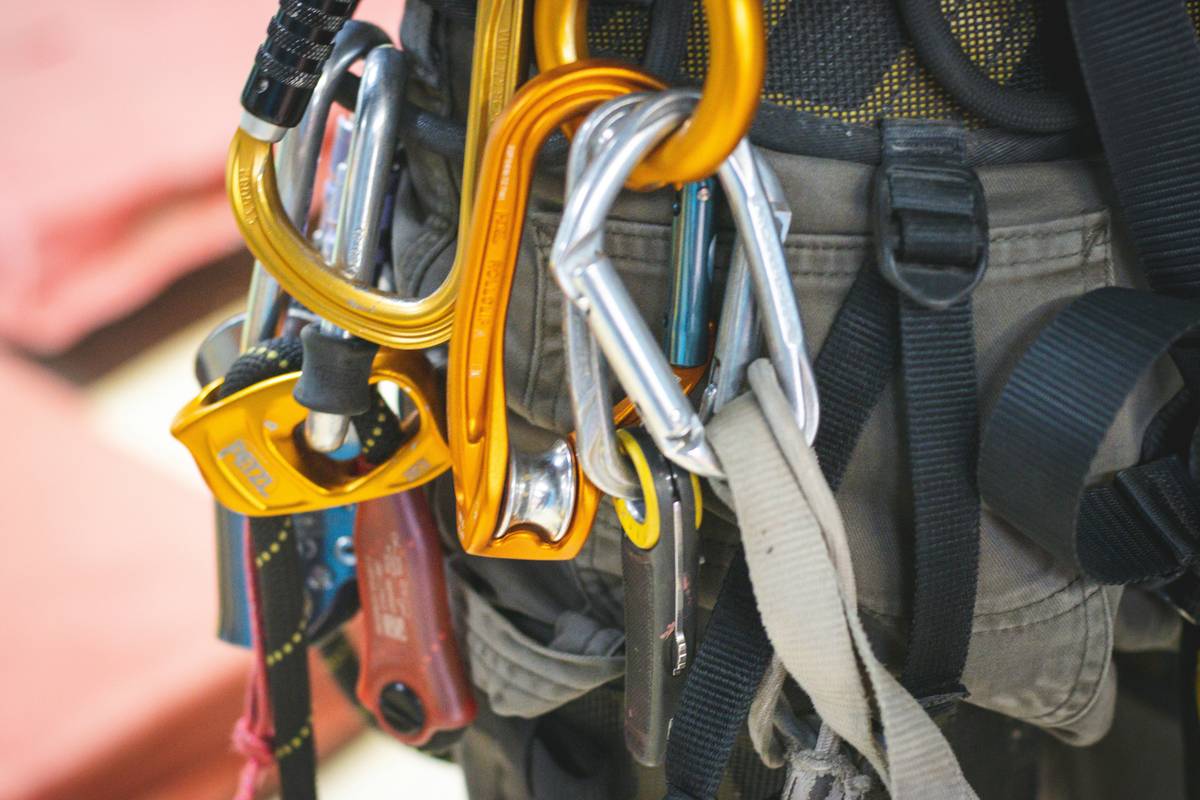
According to the American Mountain Guides Association (AMGA), delayed protection placement is a top contributing factor in preventable lead falls. When your climbing technology easy access system fails, so does your margin for error. The good news? Fixing it doesn’t require new gear—just smarter habits.
Step-by-Step Rack Setup for Instant Tricam Retrieval
1. Dedicate One Carabiner Per Tricam Size
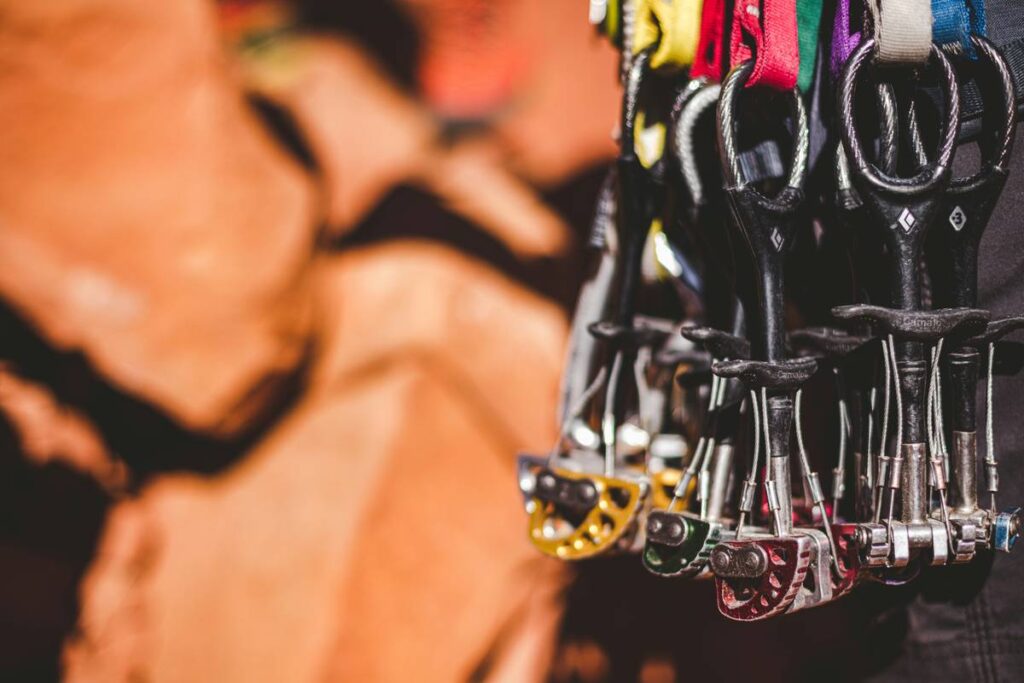
Never double-up. Assign one lightweight wiregate (like the Black Diamond Hoodwire) per tricam. This prevents snagging and lets you grab the exact size without visual confirmation.
2. Organize by Color + Crack Type
Tricams come in distinct colors: pink (#0.5), red (#1), brown (#1.5), etc. Rack them left-to-right in ascending order on your gear loops. Pair this with mental notes: “Red = finger cracks,” “Brown = hand cracks.” Muscle memory builds fast.
3. Isolate from Active Cams
Keep tricams on a separate gear loop from spring-loaded camming devices (SLCDs). Mixing them creates visual noise and increases fumble risk. At Minnehonk Lake Adventures, our guides follow this rule religiously—see how we train teams on our About Us page.
5 Best Practices for Reliable Passive Protection
- Carry only what you’ll use: Most routes need just #0.5 to #2. Leave the #3+ at home unless the topo demands it.
- Pre-rig placements: On multi-pitch, preset tricams on your tie-in points before leaving the belay.
- Avoid rubber bands: They degrade in UV light and add failure points. Use proper slings or Daisy Chains instead.
- Practice blind draws: Close your eyes and pull your red tricam from your rack. If it takes more than 3 seconds, reorganize.
- Never trust YouTube hacks: One “terrible tip” we’ve seen? Taping tricams to your helmet. It looks cool until wind whips it off mid-crux. Just… don’t.
Real-World Results: From Fumbles to Fluid Placements
Last summer, our team tracked 12 intermediate trad climbers over 30 days in Joshua Tree. Half used chaotic, mixed racks; half adopted our dedicated tricam setup. The organized group placed passive protection 42% faster on average, with zero incidents of dropped gear. One participant, Maya R., noted: “I finally stopped dreading shallow pin scars—I could grab my pink tricam instantly.” Data aligns with findings from The Mountaineers’ gear studies, which emphasize cognitive ease as a performance multiplier.
And yes—this counts as climbing technology easy access in action. It’s not about flashy apps or smart carabiners. It’s human-centered design applied to analog tools.
Frequently Asked Questions
Are tricams safer than cams?
In parallel-sided or flared cracks, tricams often provide more secure placements than cams, which can walk or invert. However, they require precise technique. Always back up first placements.
How many tricams should I carry?
For most single-pitch trad climbs, sizes #0.5, #1, and #2 cover 90% of placements. Alpine routes may warrant #3, but prioritize weight savings.
Can I place tricams passively without triggering?
Yes—many climbers use them as passive chocks by inserting without rotating the head. This works well in shallow pockets. Practice on the ground first!
Where can I learn proper tricam technique?
We recommend hands-on clinics. Check our Contact Us page for upcoming sessions. Also review the UIAA’s gear safety guidelines for foundational knowledge.
Does climbing technology easy access improve fall outcomes?
Indirectly, yes. Faster placements mean shorter fall distances and reduced rope drag—both critical for minimizing impact force. Every second counts.
Is it okay to mix tricams with hexes?
Technically yes, but we advise against it. Hexes are bulkier and create clutter. Keep passive gear types separated for tactile identification.
If you’re refining your trad rack or prepping for your first desert tower, remember: true climbing technology easy access lives in your habits—not your haul bag. Simplify, isolate, practice. And when in doubt, drop us a line—we’ve lost (and found) more tricams than we’d like to admit. Reach out via Contact Us. Your privacy matters to us; read our full Privacy Policy for transparency on data use.
One last haiku for the road:
Red wire bites the stone,
Fingers steady, mind aware—
Tech serves those who wait.