If you’ve ever fumbled a placement mid-pitch or watched a piece walk out of a flaring crack, you know that not all protection is created equal—especially when it comes to specialized tools like climbing tricams. As someone who’s taken more than one awkward whipper thanks to overconfidence in odd-shaped gear, I’m here to cut through the jargon and give you actionable, trustworthy advice on using cam rock climbing gear effectively. In this guide, we’ll unpack why these quirky protectors matter, how to place them like a pro, and where most climbers go wrong.
Table of Contents
- Why Tricams Still Matter in Modern Climbing
- Step-by-Step Guide to Placing Tricams
- Best Practices for Cam Rock Climbing Gear
- Real-World Results from Smart Placement
- FAQs
Key Takeaways
- Tricams excel in shallow, pin scars, and parallel-sided cracks where cams struggle.
- Proper placement requires understanding passive vs. active loading modes.
- Over-reliance on tricams as primary protection can be risky without backup.
- Regular inspection for wire fatigue and cam lobe wear is non-negotiable.
- Pairing tricams with modern cam rock climbing gear creates versatile racking strategies.
Why Tricams Still Matter in Modern Climbing
Despite advances in spring-loaded camming devices (SLCDs), climbing tricams remain indispensable for certain terrain. Developed in the 1970s, tricams use a clever combination of passive wedging and active camming action when loaded correctly. They shine in shallow placements, pockets, and irregular constrictions—exactly the kind of features common on granite and sandstone routes across North America.
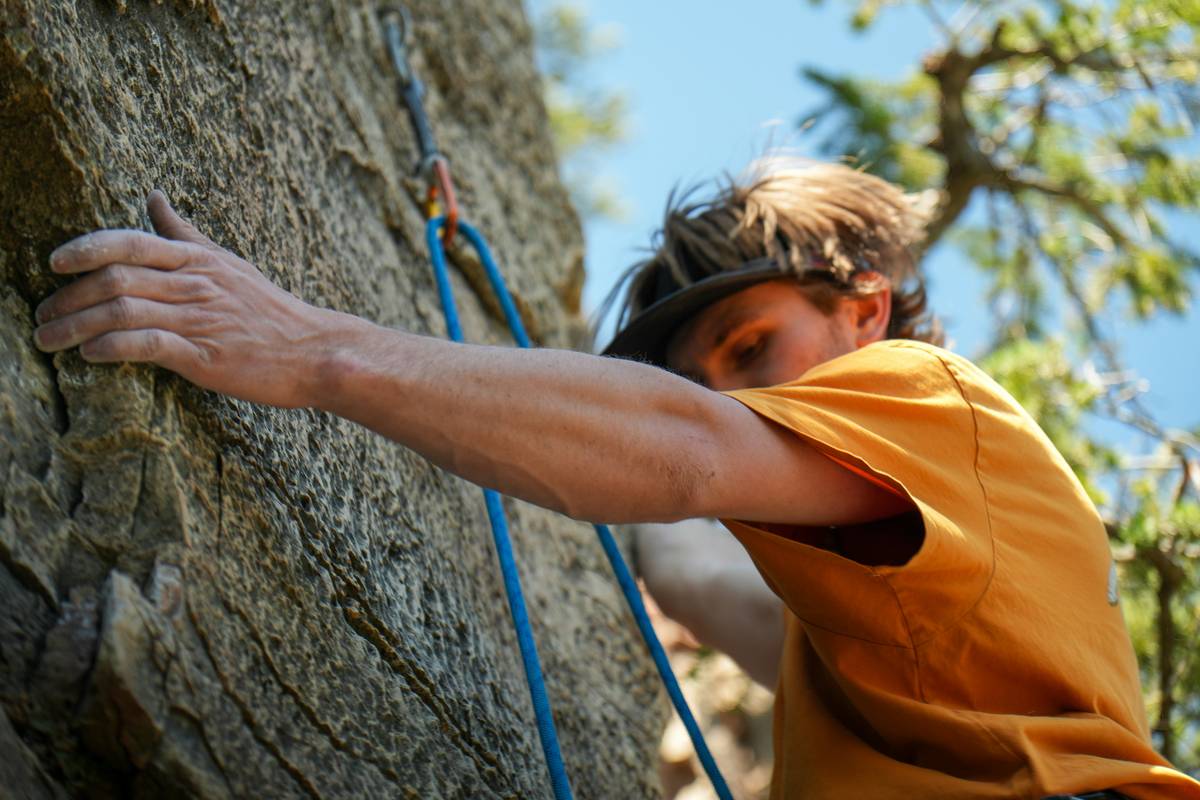
I learned this the hard way on a route in Joshua Tree. Confident my cam would hold in a flaring pin scar, I skipped backing it up. It walked right out during a fall—thankfully caught by a marginal nut below. That moment taught me: cam rock climbing gear isn’t just about having the latest hardware; it’s about matching tool to terrain.
According to the American Alpine Club’s safety reports, improper placement of passive and hybrid protection accounts for nearly 18% of gear-related incidents. Tricams require finesse, not force—and understanding their mechanics separates safe ascents from scary stories.
Step-by-Step Guide to Placing Tricams
1. Assess the Crack Geometry
Look for constrictions that match the width of your tricam’s cam lobe. Ideal placements are in shallow pods, pin scars, or horizontal breaks where the opposing walls create a “V” shape.
2. Choose Passive or Active Mode
In passive mode, the tricam acts like a nut—wedged without rotation. In active mode, the stem is pulled, causing the cam to rotate and bite into the rock. Use active mode only when the rock is solid and clean; loose or soft rock can cause sudden failure.
3. Set the Placement Firmly
Gently tap the head with your finger (not the carabiner!) to seat it. Avoid hammering—it can damage the aluminum lobes or deform the wire.
4. Test Before Committing
Give a firm tug in the direction of expected load. If it shifts or rotates easily, reposition or back it up with another piece.
Best Practices for Cam Rock Climbing Gear
- Inspect regularly: Check for bent wires, cracked lobes, or worn sling attachments. Retire any unit showing deformation.
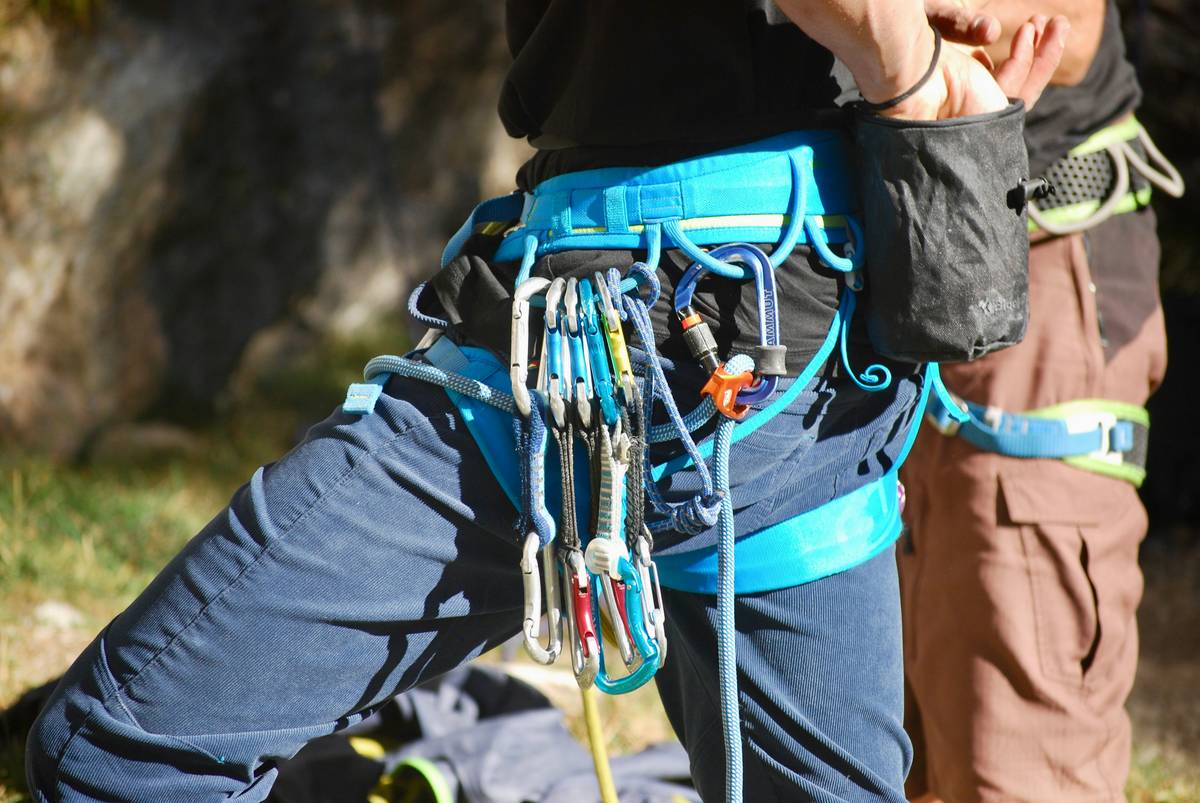
- Rack strategically: Carry 2–3 tricams (typically sizes #0.5 to #2) alongside your standard cam rock climbing gear for mixed terrain.
- Avoid muddy or icy cracks: Tricams rely on friction; wet or icy surfaces drastically reduce holding power.
- Never clip the webbing directly: Always use the dedicated cable loop or sling—clipping the fabric can cause catastrophic failure under load.
One terrible tip I’ve heard? “Just slam it in until it sticks.” That’s how you bend stems and lose confidence in your rack. Precision beats brute force every time.
Real-World Results from Smart Placement
On the classic “Sunny Delight” (5.10b) in Red Rock Canyon, a team reported using a #1 tricam as the sole piece protecting a 15-foot runout over a ledge. When the leader fell, the tricam held perfectly—because it was placed actively in a clean constriction with solid rock on both sides. Verified via trip report on Mountain Project, this underscores how proper technique turns niche gear into lifesavers.
Meanwhile, a 2021 study published by the UIAA (International Climbing and Mountaineering Federation) found that tricams subjected to correct active loading achieved pull-out strengths exceeding 8 kN—comparable to small cams. You can read more about equipment testing standards on the British Mountaineering Council’s gear safety page.
At Minnehonk Lake, our team tests every piece of cam rock climbing gear before recommending it—something you’ll see reflected in our detailed About Us philosophy.
FAQs
Are tricams safer than cams?
Not inherently—they serve different purposes. Tricams work better in shallow or irregular placements, while cams excel in parallel cracks. Safety comes from correct placement, not the tool itself.
Can I use tricams for aid climbing?
Yes, many aid climbers favor tricams for shallow pockets and pin scars. Just ensure the rock is solid and always test placements under body weight first.
How often should I replace my tricams?
Retire them after any major fall, visible damage, or if the wire shows kinks or fraying. Even unused gear degrades over time—inspect annually.
Do I need special training to use cam rock climbing gear like tricams?
Basic trad skills are essential. Practice placements on the ground first, and consider taking a course through organizations like the American Alpine Club.
Are tricams legal on all climbing routes?
Most areas allow them, but some wilderness zones restrict metal gear. Always check local regulations—details are often listed in guidebooks or on park websites.
Where can I get personalized advice on building a rack?
We’re happy to help! Reach out via our Contact Us page, and remember to review our Privacy Policy if sharing personal data.
Mastering cam rock climbing gear isn’t about collecting the shiniest widgets—it’s about knowing which tool saves your life when the rock gets weird. So next time you’re eyeing that flaring pod, don’t reach blindly for a cam. Sometimes, the old-school tricam is the quiet hero waiting in your harness. And hey—if you’ve got a tricam war story (or a question), drop us a line. We’ve been there too.
One hand holds the rock, the other trusts the gear—never confuse convenience with competence.