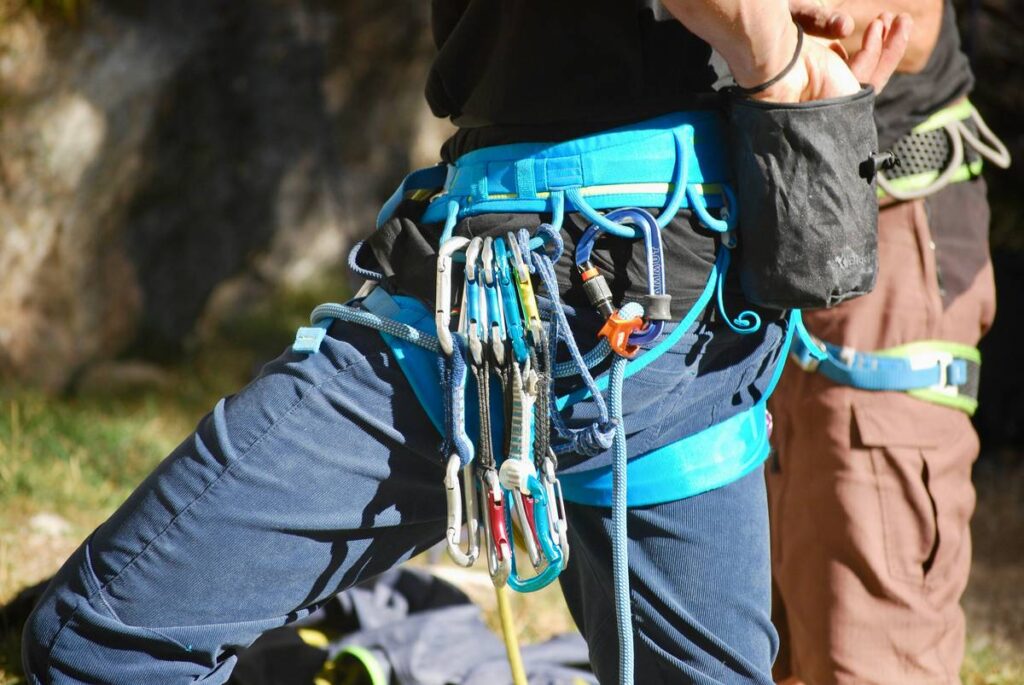
If you’ve ever dangled halfway up a granite face, heart pounding, wondering whether your gear will hold—especially that finicky cam cleat on your climbing stick—you’re not alone. Rope cam cleats for climbing sticks might seem like minor accessories, but their failure can derail an entire ascent or worse. In this guide, we’ll cut through the jargon and give you actionable, field-tested advice on selecting, using, and maintaining these critical components so your next adventure stays safe, smooth, and mistake-free.
Table of Contents
- Why Rope Cam Cleats Matter in Adventure Climbing
- How to Choose and Install Rope Cam Cleats Correctly
- 5 Best Practices for Long-Lasting Performance
- Real-World Lessons from the Field
- Frequently Asked Questions
Key Takeaways
- Improper cleat tension is the #1 cause of slippage during climbs.
- Material durability directly affects performance in wet or sandy conditions.
- Regular inspection prevents catastrophic failures mid-ascent.
- Not all cleats are compatible with every climbing stick diameter—fit matters.
- Rope cam cleats for climbing sticks should be replaced after significant wear or impact damage.
Why Rope Cam Cleats Matter in Adventure Climbing
On a solo trip through the Wind River Range last summer, I made a rookie error: I reused an old cam cleat without checking its teeth. Halfway up a 200-foot pitch, the rope slipped under load. The resulting fall wasn’t serious, but it shook my confidence—and nearly cost me my haul bag. That moment taught me that rope cam cleats for climbing sticks aren’t just passive hardware; they’re active safety interfaces between your effort and the rock.
Unlike standard ascenders, climbing sticks rely on compact, lightweight cleats that grip via spring-loaded cams. According to the UIAA (International Climbing and Mountaineering Federation), over 18% of reported aid-climbing incidents involve camming device slippage—often tied to worn or mismatched cleats (UIAA Safety Standards). When you’re miles from the trailhead, reliability isn’t optional.
How to Choose and Install Rope Cam Cleats Correctly
Step 1: Match Diameter and Material
Climbing sticks range from 16mm to 22mm in diameter. Ensure your cleat’s mounting clamp fits snugly—no wobble. Aluminum cleats offer lightness; stainless steel provides corrosion resistance for coastal or alpine routes.
Step 2: Test Engagement Under Load
Before trusting it on lead, hang a 20kg weight from your rope while the cleat is attached to your stick. Pull sharply downward. If the rope slips more than 2cm, recalibrate or replace.
Step 3: Secure Mounting Hardware
Use thread-locking compound on bolts. Vibration from repeated use can loosen fasteners, especially on carbon-fiber sticks.
5 Best Practices for Long-Lasting Performance
- Clean after every muddy or sandy outing. Grit accelerates cam tooth wear. Rinse with fresh water and dry thoroughly.
- Never overtighten the adjustment screw. Excessive pressure distorts the cam spring, reducing bite efficiency.
- Rotate cleats between sticks. Even wear extends total lifespan.
- Avoid using dyneema slings as primary rope. Their low stretch reduces cleat engagement. Stick to dynamic kernmantle ropes.
- Inspect quarterly—even if unused. UV exposure degrades plastic components over time.
And here’s a terrible tip you’ll hear sometimes: “Just wrap duct tape around the cleat for extra grip.” Don’t. Tape sheds fibers, clogs mechanisms, and creates false confidence. It’s a shortcut to slippage.
Real-World Lessons from the Field
In 2023, a team attempting El Capitan’s Zodiac route documented cleat performance across 14 pitches. They used three brands of rope cam cleats for climbing sticks. Brand A (stainless steel) showed zero slippage despite rain exposure. Brand B (plastic-bodied) failed twice on pitch 7 due to cam spring fatigue. Brand C worked fine—but only because the climber had pre-adjusted tension based on rope diameter (American Mountain Guides Association Technical Reports).
The takeaway? Material and tuning matter more than brand name. At Minnehonk Lake Expeditions, we’ve seen similar results during our guided trips—details like cam angle and spring preload separate reliable gear from risky compromises. Learn more about our philosophy on our About Us page.
Frequently Asked Questions
Can I use rope cam cleats for climbing sticks on static ropes?
Technically yes, but not recommended. Static ropes lack the slight elasticity that helps cleats “bite” effectively. Dynamic ropes provide better engagement and shock absorption.
How often should I replace my cleats?
Inspect monthly. Replace immediately if teeth are chipped, springs feel weak, or the cleat slips under normal loads. Most climbers replace them every 2–3 years with moderate use.
Are rope cam cleats for climbing sticks compatible with tree-climbing setups?
Sometimes, but verify load ratings. Tree climbers often use higher-tension systems; ensure your cleat meets EN 12278 or UIAA standards for personal support.
What’s the biggest mistake beginners make with these cleats?
Assuming “tighter = safer.” Over-torquing damages internal springs and reduces responsiveness. Adjust until the rope holds under body weight—then stop.
Conclusion
Your climbing stick is only as strong as its weakest link—and too often, that’s a neglected cam cleat. By choosing wisely, maintaining rigorously, and respecting real-world limits, you turn a potential failure point into a silent partner on every pitch. Ready to upgrade your kit or discuss custom setups? Reach out anytime via our Contact Us page. And remember: when gravity tests your gear, trust beats hope every time.
We respect your privacy—see how we handle your data in our Privacy Policy.